professional pool heat pump installation melbourne services

Investing in a swimming pool heat pump is the single most effective way for Melbourne homeowners to extend their swim season, but correct professional installation is essential to unlocking peak energy efficiency and equipment longevity. Victorian weather is notorious for rapid temperature swings, gusty winds, and chilly overnight lows. Without expert sizing, proper outdoor positioning, and compliant hydraulic plumbing, even the most advanced inverter heat pump will struggle to heat pool water efficiently or maintain steady temperatures throughout the year. At Spa & Pool Supplies, we provide Melbourne pool owners with industry-leading pool heat pump systems alongside comprehensive installation expertise that ensures your heating system performs flawlessly from day one.
A compliant, high-performing pool heat pump installation requires far more than simply plugging a unit into an existing outdoor socket. Professional installation encompasses dedicated electrical sub-circuits certified to AS/NZS 3000 wiring standards, a customized three-valve PVC bypass manifold to regulate water velocity across the titanium heat exchanger, and strategic placement to guarantee unrestricted airflow and acoustic compliance with local council regulations. By coordinating every phase of the setup with seasoned trade specialists, Spa & Pool Supplies guarantees your inverter heat pump delivers whisper-quiet comfort, rapid thermal recovery, and dramatic reductions in household running costs.
Whether you are retrofitting an inverter heat pump into an existing plant room in Brighton, upgrading old gas equipment in Doncaster, or setting up a new outdoor plunge pool in Berwick, Spa & Pool Supplies is your trusted Melbourne partner. Backed by authentic Australian manufacturer warranties, direct-to-door equipment delivery, and knowledgeable technical support, our team makes pool heat pump installation straightforward, affordable, and fully compliant across metropolitan Melbourne and regional Victoria.
Table of Contents
Jump directly to any section of this comprehensive service guide.
Why Professional Installation Matters for Melbourne Pool Heat Pumps
Installing a Pool heat pump Melbourne properties require involves complex thermodynamics, high-pressure hydraulics, and heavy electrical loads that demand licensed trade expertise. While modern inverter systems are engineered for seamless operation, improper site commissioning or inadequate airflow can degrade system efficiency by upwards of 40 percent. Melbourne pool owners who attempt DIY shortcuts or uncertified handyperson setups frequently experience unexpected error shutdowns, blown circuit breakers, or premature compressor failures that void manufacturer warranties. At Spa & Pool Supplies, we emphasize professional installation to guarantee that your heating equipment operates safely, quietly, and at peak thermal output.
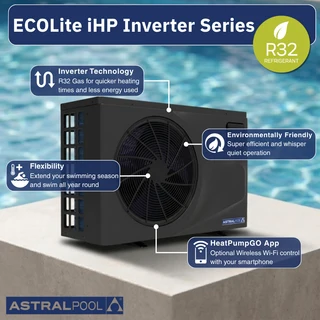
A primary technical consideration in Melbourne is acoustic management and boundary clearance. Modern inverter heat pumps run remarkably quiet, but placing a compressor unit in an enclosed reverberant alcove or too close to a neighbour's bedroom window can trigger council compliance notices under Victorian EPA residential noise guidelines. Professional installers evaluate sound wave dissipation, orienting the fan discharge away from reflective boundary fences and living spaces. Spa & Pool Supplies units feature stepless DC inverter compressors and acoustic dampening, which when paired with professional positioning, keep operating sound levels comfortably below 45 decibels.
Airflow dynamics represent another critical performance variable. A heat pump requires an immense volume of fresh ambient air to extract thermal energy; if installed in a cramped equipment shed without adequate exhaust clearance, the unit recycles its own cold discharge air. This thermal starvation causes the evaporator coils to ice up prematurely, forcing the machine into frequent defrost cycles and driving up electricity consumption. Certified installers ensure minimum clearance perimeters of 500mm around air intakes and up to 1,500mm above fan outlets to ensure continuous environmental heat harvesting.
Finally, ensuring seamless integration with existing pool sanitisation equipment is essential. Heat pumps must be positioned downstream from pool filters but upstream from chlorinators and chemical dosing feeders. Certified installers prevent corrosive chlorine gas or concentrated acid from back-siphoning into the heat exchanger when the filtration pump shuts down. Partnering with Spa & Pool Supplies ensures that your Melbourne installation adheres strictly to Australian safety standards, protecting your pool investment for years to come.

Key Benefits of Certified Heat Pump Installation from Spa & Pool Supplies
Securing your Pool heat pump Melbourne supply and installation through Spa & Pool Supplies guarantees a stress-free transition to heated swimming. As an authorized Australian supplier of leading inverter heating brands, we provide end-to-end guidance from initial thermal sizing to certified trade commissioning. We collaborate with licensed Victorian electricians and experienced pool plumbers who understand the unique operating requirements of high-efficiency heat pumps, ensuring every component is installed with absolute precision.
Key advantages of choosing Spa & Pool Supplies for your Melbourne installation include:
- ✓Australian Standards Compliance: Complete installation adhering strictly to AS/NZS 3000 electrical wiring rules and Victorian building regulations, backed by official compliance certificates.
- ✓Custom Hydraulic Bypass Integration: Installation of heavy-duty three-valve PVC bypass manifolds that optimize water flow rates across the titanium heat exchanger and prevent equipment strain.
- ✓Full Manufacturer Warranty Preservation: Certified trade commissioning that satisfies all warranty criteria, safeguarding your compressor, electronics, and titanium heat exchanger against premature denial of claims.
- ✓Dedicated Melbourne Technical Support: Direct access to local heating specialists for post-installation fine-tuning, seasonal maintenance advice, and rapid warranty assistance across metropolitan Melbourne.
In addition to regulatory compliance, Spa & Pool Supplies provides Melbourne homeowners with comprehensive customer handovers. Once installation is complete, our technicians verify digital calibration, demonstrate how to set optimal temperature parameters, and configure your mobile Wi-Fi application for remote control. We also provide practical tips on combining heat pump cycles with domestic solar PV arrays to slash seasonal running costs.
When you purchase from Spa & Pool Supplies, you bypass the inflated markups of traditional pool retail shops while enjoying direct manufacturer pricing and genuine spare parts availability. Our installation coordination ensures you avoid costly delays and unexpected contractor surprises, delivering a swim-ready pool tailored to your family's lifestyle.
Essential Electrical Requirements and AS/NZS 3000 Standards
The electrical infrastructure required for a pool heat pump is substantial and strictly governed by Australian safety legislation. Heat pumps draw continuous electrical current and feature high starting amperages that standard general power outlets (GPOs) cannot support. Under Australian/New Zealand Standard AS/NZS 3000 (the Australian Wiring Rules), pool heat pumps must be connected to a dedicated sub-circuit running directly from your property’s main switchboard. Spa & Pool Supplies works alongside fully licensed Victorian electricians (A-Grade) to ensure every electrical connection is compliant, safe, and certified with an official Certificate of Electrical Safety (COES).
A dedicated circuit prevents electrical overload on existing household circuits, which can cause tripped safety switches and fire hazards. The sizing of the electrical cable depends heavily on the kilowatt rating of the inverter heat pump and the distance between the main switchboard and the pool equipment pad. For example, a mid-range 13 kW to 17 kW inverter unit typically requires a 16-amp to 20-amp single-phase circuit with 2.5mm² or 4.0mm² cable, whereas larger 21 kW to 28 kW units or three-phase commercial units require 32-amp or three-phase supply lines with 6.0mm² heavy-gauge wiring.
Outdoor safety equipment is another critical aspect of AS/NZS 3000 compliance. A weatherproof outdoor rotary isolator switch (rated IP66) must be mounted within line of sight of the heat pump unit, typically between 1.5 and 2 metres away. This allows pool technicians, service personnel, or emergency services to disconnect electrical power safely without entering the main home. Furthermore, modern installations incorporate Type A or Type F Residual Current Devices (RCDs) capable of detecting high-frequency DC leakage currents generated by modern full-inverter variable speed drives.
Equipotential bonding is also mandatory for pool equipment situated within defined pool safety zones. All extraneous conductive metal parts, including pool ladders, steel reinforcing mesh in concrete slabs, and metallic equipment casings within arm's reach of pool water, must be bonded back to the switchboard earth bar using a 4.0mm² copper bonding conductor. Spa & Pool Supplies ensures that every installation meets these rigorous electrical codes, providing absolute safety and peace of mind for your family.

Plumbing Layout and the Three-Valve Bypass Manifold Explained
Proper hydraulic plumbing is just as crucial as electrical compliance for successful pool heat pump installation. An inverter heat pump requires a balanced flow rate to achieve optimum thermal heat transfer. If water flows through the titanium heat exchanger too quickly, the water does not spend enough contact time to absorb heat efficiently, and excess backpressure can damage internal sensors. Conversely, if flow is too sluggish, the heat pump will trigger a low-flow error and shut down to prevent overheating. At Spa & Pool Supplies, we supply and recommend a precision three-valve bypass manifold on all Melbourne installations to guarantee perfect flow control.
The plumbing layout must follow a strict sequential order along the pool filtration return line:
- ✓Filtration First: Pool water travels from the skimmer and main drain through the circulation pump and into the primary media or cartridge filter to eliminate all suspended debris before entering the heat pump.
- ✓Titanium Heat Exchanger Flow: Filtered water enters the inlet of the three-valve bypass assembly, where a controlled percentage passes through the titanium heat exchanger while the remaining volume bypasses safely.
- ✓Chlorination Downstream: Heated water exits the bypass manifold and flows through the salt chlorinator cell or automated chemical dosing injector immediately prior to returning to the pool.
- ✓Non-Return Check Valve Protection: A high-grade spring check valve is installed between the heat pump outlet and the chemical feeder to eliminate corrosive chlorine or acid back-siphoning into the heat exchanger during pump shutdowns.
The three-valve bypass manifold consists of an inlet ball valve, an outlet ball valve, and a central bypass valve plumbed across a tee junction. By partially opening or closing the central bypass valve, pool owners and technicians can fine-tune the differential temperature between the heat pump inlet and outlet (typically aiming for a 1.5°C to 2.5°C rise across the exchanger). This hydraulic flexibility ensures maximum Coefficient of Performance (COP) across varying pump speeds, particularly when paired with modern variable-speed circulation pumps.
Additionally, the bypass manifold enables effortless isolation of the heat pump for winter servicing, chemical shock treatments, or internal filter cartridge cleanings. By closing the inlet and outlet valves and fully opening the bypass valve, pool water continues circulating normally through the primary filtration loop without flowing through the heat pump. Spa & Pool Supplies supplies pressure-rated Class 9 and Class 12 PVC fittings, barrel unions, and heavy-duty valves built to withstand high hydraulic pressure and intense UV radiation throughout Victoria.
Step-by-Step Installation Checklist for Melbourne Pool Owners
Coordinating a pool heat pump installation is seamless when following a structured, professional workflow. Spa & Pool Supplies outlines the recommended step-by-step checklist to guide Melbourne pool owners from site preparation through to system commissioning.
To achieve flawless operation, follow this standardized five-stage installation process:
- 1Site inspection and pad preparation: Select an open, level outdoor site positioned within 7.5 metres of the pool equipment pad, ensuring at least 500mm of clearance around side air grilles and 1,500mm above the fan discharge; pour a 100mm reinforced concrete slab or lay a heavy-duty polymer equipment pad with anti-vibration rubber mounts.
- 2Hydraulic plumbing and bypass construction: Cut into the return line downstream of the pool filter, install the three-valve PVC bypass manifold using pressure-rated pipework and heavy-duty unions, and plumb the inlet and outlet connections into the titanium heat exchanger with an inline non-return check valve.
- 3Dedicated electrical cabling and isolator installation: Have an A-Grade licensed Victorian electrician run a dedicated sub-circuit from the main household switchboard, install an appropriately rated circuit breaker and RCD, mount an outdoor IP66 rotary isolator switch within sight of the unit, and complete equipotential earth bonding.
- 4Hydraulic leak testing and flow calibration: Turn on the primary pool filtration pump to prime pipework, inspect all glued PVC joints for leaks, bleed any trapped air from the heat pump vessel, and adjust the central bypass valve until the water pressure gauge matches the manufacturer's specified operating zone.
- 5System power-up, app pairing, and handover: Switch on the electrical isolator, power on the digital controller, select target swimming temperature (e.g. 28°C to 30°C), pair the built-in Wi-Fi module with your home network, and set operational timers to align with off-peak electricity tariffs or daytime solar PV generation.
Post-installation calibration is vital to ensure long-term energy savings. Spa & Pool Supplies recommends running your heat pump continuously for the first 24 to 48 hours to bring cold Melbourne pool water up to target temperature, after which the inverter technology will automatically step down into whisper-quiet maintenance mode.
Regularly inspecting the condensate drainage line is another important post-installation step. During normal operation, heat pumps extract atmospheric humidity, producing several litres of condensation per hour. Ensuring this water drains freely into garden beds or stormwater prevents ponding around electrical components and keeps your equipment pad clean and dry.
Choosing the Optimal Installation Location: Airflow, Noise, and Clearances
Selecting the right location for your pool heat pump is one of the most critical decisions during the installation planning phase. Because a heat pump works by drawing in vast quantities of ambient air, extracting heat, and exhausting cooled air, placing the unit in a confined space will drastically reduce performance. At Spa & Pool Supplies, our technical team assists Melbourne pool owners in evaluating backyard layout, acoustic reflections, and prevailing wind patterns to determine the perfect equipment placement.
Airflow clearance guidelines must be strictly observed. A heat pump requires a minimum of 500mm of unobstructed space around the evaporator coils (the rear and side grilles) to allow unrestricted air intake. More importantly, top-discharge models require at least 1,500mm to 2,000mm of vertical clearance above the exhaust fan, while side-discharge units require at least 2,500mm of forward clearance. Never position a heat pump beneath low timber decking, under dense foliage, or inside closed garden sheds without specialized high-volume ventilation ducting, as recycling chilled exhaust air will cause evaporator coils to freeze.
Noise considerations are equally vital to maintain backyard serenity and comply with Melbourne council residential regulations. Victorian EPA standards stipulate permissible noise levels at the boundary of neighbouring residential premises, particularly during evening and nighttime hours. Positioning the unit on heavy-duty anti-vibration dampening pads on a stable concrete base prevents mechanical vibration from resonating through boundary fences or house walls. Orienting the fan discharge away from bedroom windows and utilizing natural acoustic buffers, such as solid acoustic screening or dense hedge plantings placed outside clearance zones, ensures peaceful operation.
Accessibility for ongoing maintenance and servicing must not be overlooked. Positioning the digital control panel and plumbing bypass manifold where they are easily reachable simplifies routine valve adjustments, filter backwashing, and winter draining. Spa & Pool Supplies models feature user-friendly top-mounted or front-mounted control interfaces, ensuring you can inspect water temperatures and system diagnostics comfortably in all seasons.
Pairing Heat Pump Installation with Solar PV and Thermal Blankets
To unlock maximum cost savings and environmental efficiency in Melbourne's cool climate, a pool heat pump should never operate in isolation. Combining your inverter heat pump installation with a rooftop solar photovoltaic (PV) array and a premium thermal pool cover creates a high-efficiency heating ecosystem that delivers warm water with near-zero operating costs. Spa & Pool Supplies offers expert advice on synchronizing these technologies to maximize return on investment.
Rooftop solar PV integration is particularly advantageous in Victoria. Because modern full-inverter heat pumps consume as little as 500 to 1,500 watts when running in steady maintenance mode, they can be powered entirely by excess daytime solar energy that would otherwise be exported to the grid for minimal feed-in tariffs. By programming the heat pump’s smart timer or utilizing intelligent automated solar relays, you can direct solar surplus directly into heating your pool between 10:00 AM and 4:00 PM, effectively turning your swimming pool into a giant thermal battery.
Thermal pool blankets are equally indispensable. Without a cover, up to 75 percent of the heat generated by your pool heat pump is lost to the atmosphere through surface evaporation, particularly during cool Melbourne nights when air temperatures drop significantly. Installing a heavy-duty 500-micron thermal pool blanket from Spa & Pool Supplies forms an insulating barrier that traps heat, slashes overnight heat loss by up to 80 percent, and prevents thousands of litres of water evaporation each season.
When an inverter Pool heat pump Melbourne homeowners invest in operates alongside rooftop solar and a thermal blanket, maintaining 28°C to 30°C from September to May becomes remarkably affordable. Spa & Pool Supplies provides complete heating packages designed for maximum energy efficiency and year-round backyard enjoyment.
Contact Us Today
Have questions or need emergency service? Reach out to our dedicated team anytime.
Spa & Pool Supplies
Fast, dependable support and honest pricing across our service area.
Frequently Asked Questions
Find clear, helpful answers to common questions regarding our process, pricing, equipment, and satisfaction guarantee.
Can I install a pool heat pump myself, or do I need licensed trades in Melbourne?
How much clearance does a pool heat pump require around it?
Why is a three-valve bypass manifold required for installation?
What electrical supply and circuit size do I need for a residential heat pump?
Does Spa & Pool Supplies provide installation advice and quotes in Melbourne?
Related Articles
Pool Heat Pump Sale Melbourne
Pool Heat Pump Sale Melbourne | Clearance Deals & Discounts | Spa & Pool Supplies
Read Article →Pool Heat Pump Prices Melbourne
Pool Heat Pump Prices Melbourne | Affordable Inverter Heat Pumps | Spa & Pool Supplies
Read Article →Swimming Pool Heating Melbourne
Swimming Pool Heating Melbourne | Spa & Pool Supplies Systems & Quotes
Read Article →